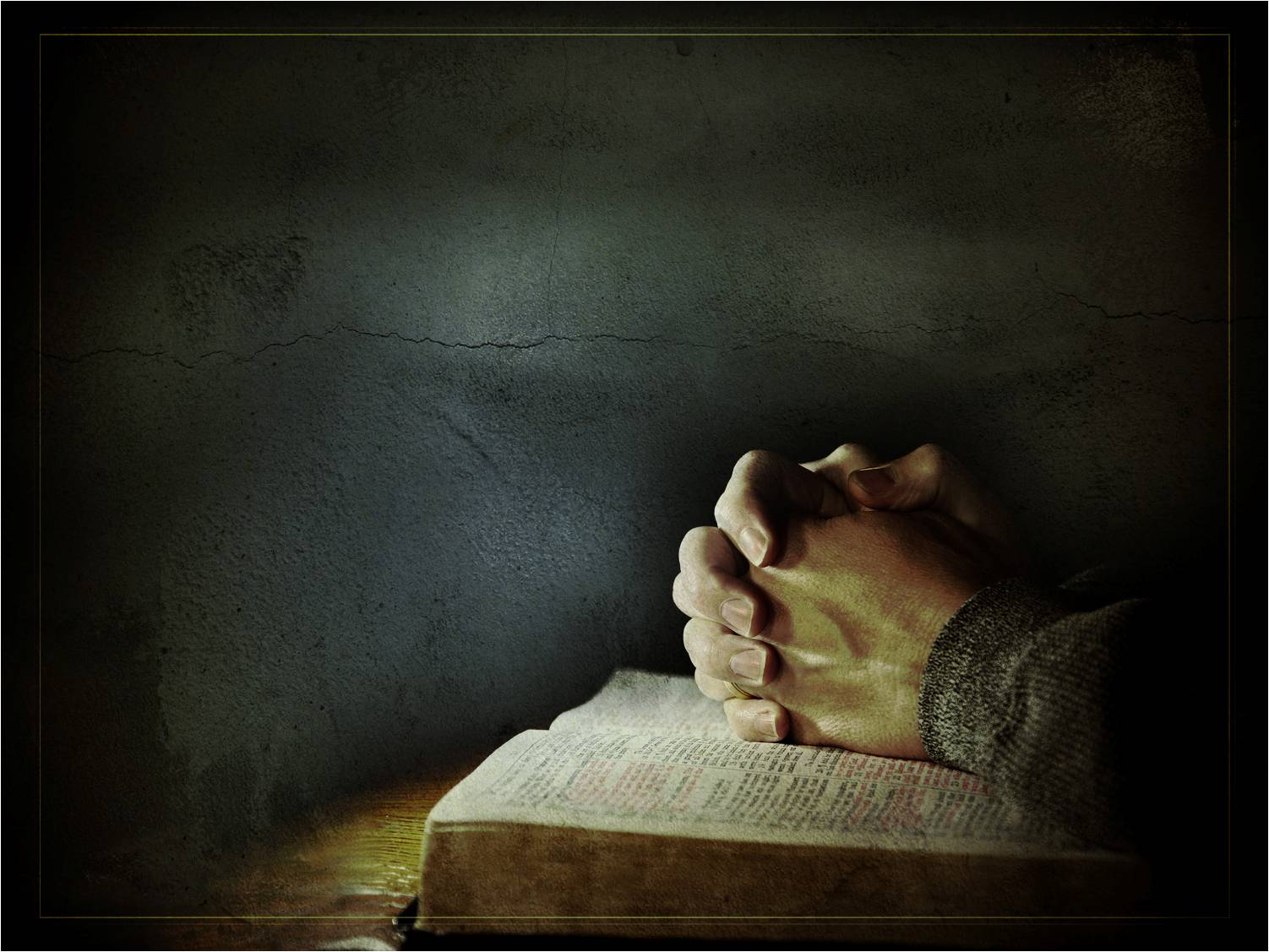
From Matthew 6:5-8 / Prayer part 1 – From the earliest days of humankind, concourse with God has been a reality. This is true in the first place because “God is a speaking God” as D. A. Carson is wont to say. And as Genesis 2 notes, as soon as God made Adam and placed him in the Garden, “the Lord God commanded the man, saying” (Gen. 2:16). Prayer at its most basic is simply speaking to God. What we pray for and how we pray is as varied as the flowers of the field. But that we are meant to pray, to hold discourse with God is evident. The problem is, sin has horribly impacted the connection. So it is we read the wonder of what Jesus has done in this regard in Eph. 2:18 “through him we both have access in one Spirit to the Father”; and Hebrews 4:16 “Let us then with confidence draw near to the throne of grace, that we may receive mercy and find grace to help in the time of need.” Indeed, our text here in Matthew is founded upon the privilege of prayer. And the Father, in His great accommodation to the damage sin has done to us, does not leave us alone with dulled ears that cannot hear His voice correctly – but has written His Word that we might consult it, study it, and hear Him with a clarity we no longer possess the capacity for. But make no mistake, of all Christ has won for us, access to the Father through the Spirit is a benefit that simply cannot be overstated. When Spurgeon was asked which was more important, reading the Bible or prayer, he quipped “which should I chose, inhaling or exhaling? I need both to live.” And so it is. The great subject matters of prayer Jesus Himself introduces in the next section. But in this opening part He emphasizes 4 things: First -our prayers are not to be uttered so as to gain the approval of others. Those who do so, will find the only thing they gain from their prayers is just that – the approval of others. But nothing from the Father. Prayer is not about how we sound to others, but the gasping of “abba, Father” to our Heavenly Father’s ears. Second, private prayer is more important than public prayer. Indeed, if there is no private prayer, public prayer is less than useless; it is only show. For in private, we truly commune one on one, and trust He will answer accordingly. Third, prayer can easily become superstitious – a matter of repeating the same phrases over and over as if repetition magically makes things happen. Nor is it dependent upon physical posture (lying down, sitting, standing, kneeling, prostrate, etc.), or the use of Elizabethan speech patterns as though the use of “thee and thou” are also magic words that unlock prayer’s power. Fourth, prayer is to be entered into in faith – believing, more- KNOWING the Father knows what you need before you even ask Him. Trusting His care for you. Freeing you up to give your attention to His priorities, since He has already taken notice of your before you pray. This is praying in faith. This is praying in the Spirit. “It is clear that he does not pray, who, far from uplifting himself to God, requires that God shall lower Himself to him, and who resorts to prayer not to stir up the man in us to will what God wills, but only to persuade God to will what the man in us wills.” Thomas Aquinas.
 ResponsiveReiding
One response to “When you Pray – Pt. 1”
[…] When you Pray – Pt. 1 […]