The 4th volume of the Works of John Newton (Hamilton & Adams 1824) contains this most curious heading:
FIFTY EXPOSITORY DISCOURSES,
ON THE SERIES OF
SCRIPTURAL PASSAGES
Which form the Subject of the celebrated
ORATORIO OF HANDEL.
PREACHED IN THE YEARS 1784 AND 1785,
IN THE PARISH CHURCH OF ST. MARY WOOLNOTH, LOMBARD-STREET.
Did you get that? 50 sermons using Handel’s Messiah and the passages Handel was using, as the jumping off point for his sermons. I do not know a single modern preacher who would even conceive of such a plan let alone try to execute it. But such was the singular giftedness and genius of Newton. To be sure, the sermons are rich in Biblical exposition and application. But it is an unusual starting point.
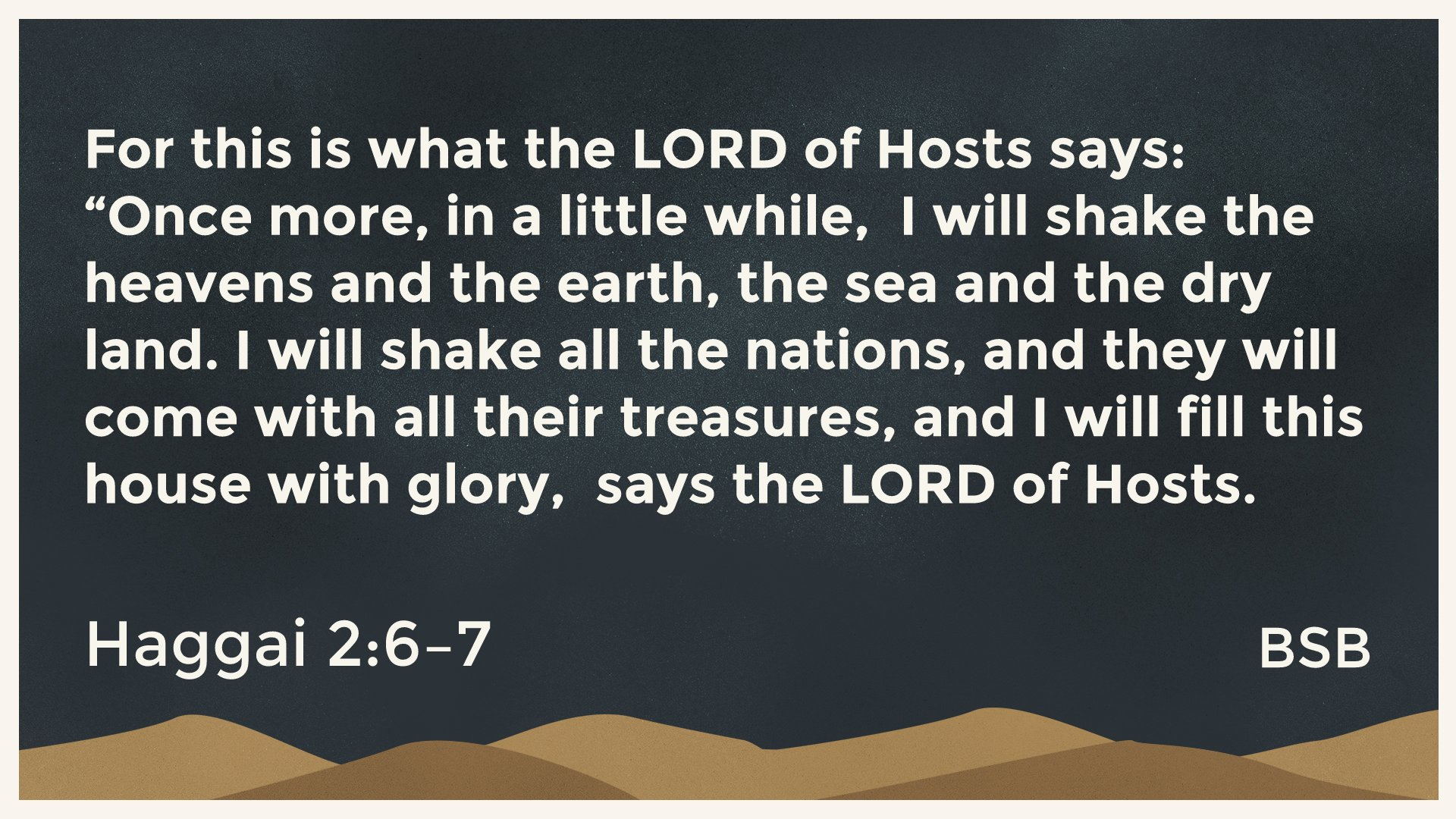
That said, sermon 3 is rooted in the passage cited above as included in the oratorio – Haggai 2:6-7; and it contains the following which I post for your edification. And, with the hope you might be encouraged to read more of Newton. Amazing Grace is but the tiny tip of a gigantic iceberg of spiritual insight, encouragement, wisdom and blessing.
Now one more word: Why cite this? Because I think it has great implications for how we might consider and more deeply analyze the worship music being composed and consumed in our churches today?
Just a day or two ago I watched (as I have any number of times) YouTube videos of people reacting to Gary Brooker’s live performance (Denmark 2006) of Procol Harum’s “Whiter Shade of Pale.”
The song itself (as most will affirm) is deeply moving. The music alone evokes strong emotional responses. It does in me. Many are brought to tears. But that is not due at all to the song’s message. As Keith Reid has stated (the chief lyricist) he was not actually trying to communicate a message per se, but only trying to produce a mood. An atmosphere into which anyone could see or pour their own meaning.
In an interview with Farout Magazine Reid is quoted as saying: “‘A Whiter Shade Of Pale’ was just another bunch of lyrics…I was trying to conjure a mood as much as tell a straightforward, girl-leaves-boy story. With the ceiling flying away and room humming harder, I wanted to paint an image of a scene.”
Now we have to ask ourselves if the “worship” music we are engaging in today might not be cut from some of the same cloth – looking to evoke feelings and moods more than actually focusing the soul on the great truths of Scripture so as to be moved by those as they open up Christ and His glory to us?
As Newton will note – we can be moved by the music, which is only meant to be “an ornament of the words.” But such music (I’ll let him conclude as he does) while evoking an experience, has no power to change the soul. Soul moving concepts gilded or framed by the music is what we really need. And even at that, people can walk away unchanged. There is no substitute for The Word energized by The Spirit.
Here is how Newton expresses it.
“If you put a telescope into the hands of a child, he will probably admire the outside, especially if it be finely ornamented. But the use of it, in giving a more distinct view of distant objects, is what the child has no conception of. The music of the Messiah is but an ornament of the words, which have a very weighty sense. This sense no music can explain, and when rightly understood, will have such an effect as no music can produce. That the music of the Messiah has a great effect in its own kind, I can easily believe. The ancients, to describe the power of the music of Orpheus, pretend, that when he played upon his harp, the wild beasts thronged around him to listen, and seemed to forget their natural fierceness. Such expressions are figurative, and designed to intimate, that by his address and instructions, he civilized men of fierce and savage dispositions. But if we were to allow the account to be true in the literal sense, I should still suppose that the wild beasts were affected by his music only while they heard it, and that it did not actually change their natures, and render lions and tigers gentle as lambs, from that time forward. Thus I can allow, that they who heard the Messiah might be greatly impressed during the performance; but when it was ended, I suppose they would retain the very same dispositions they had before it began. And many, I fear, were no more affected by this sublime declaration of the Lord’s design to shake the heavens and the earth, than they would have been, if the same music had been set to the words of a common ballad.”
 ResponsiveReiding