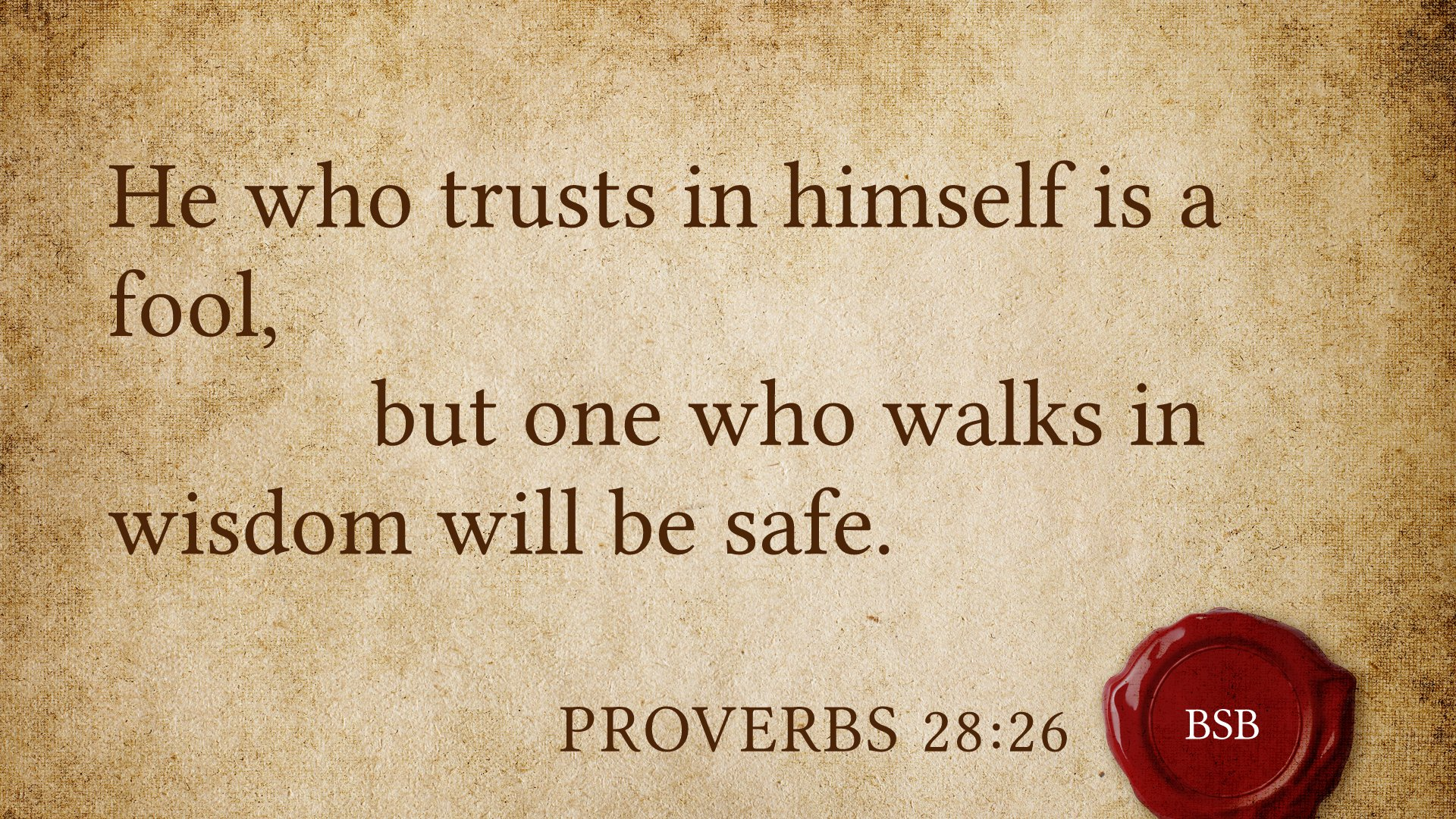
Be willing always to suspect mixed motives in your own heart – and you will not be on the defensive when others question you. Owning our sin and sinfulness is the only sure way to have it dealt with in Christ.
When inviting sinners to trust Christ, Spurgeon, the “Prince of the Victorian Preachers” once preached thus:
“I am sure you may come, my friend, because you are the very sort of character that is bidden to come. “This man receiveth sinners.” Is not that your name? Does not the Lord say, “Let the wicked forsake his way, and the unrighteous man his thoughts”? Is not that you? Well, if it be you, then come to him. He calls you;—you distinctly, for so he describes you; so, surely, you may come to him. I have often said that, if I had read in the Bible, “Charles Spurgeon may come to Christ,” there was a time when I should have said, “That must mean somebody else whose name is the same as mine; it is not meant for me.” Then I should have wanted to know the address, and if it had been Nightingale Lane, I should have said, “Ah! there was a man of the name of Spurgeon living there, no doubt, years ago, so the promise may have been for him.” I should never have felt sure about the matter; but when it says, “Christ Jesus came into the world to save sinners;”—well, the devil is a great liar, but he never tried to make me believe that I was not a sinner. If he did, I should tell him I knew better than that. On the contrary, he is often telling me what a sinner I am, and I am much obliged to him for that; because, the more clearly he makes me out to be a sinner, the more certain I am that I am one of those whom Christ came to save. Martin Luther used to say, “This is true wisdom, to cut off the devil’s head with his own sword; when he charges you with guilt, reply, ‘It is quite true, I am a sinner; and, therefore, I am one whom Christ came to save.’ ” We know that Christ gave himself for our sins, but he never gave himself for our virtues; so we, having sins and iniquities, come to him as guilty sinners, and he saves us from our sins.1
1 C. H. Spurgeon, “Taking Hold of God’s Covenant,” in The Metropolitan Tabernacle Pulpit Sermons (London: Passmore & Alabaster, 1902), 34.

